There is a sense of hopelessness going around that begs the question: what is originality and why is it becoming a rare sentiment?
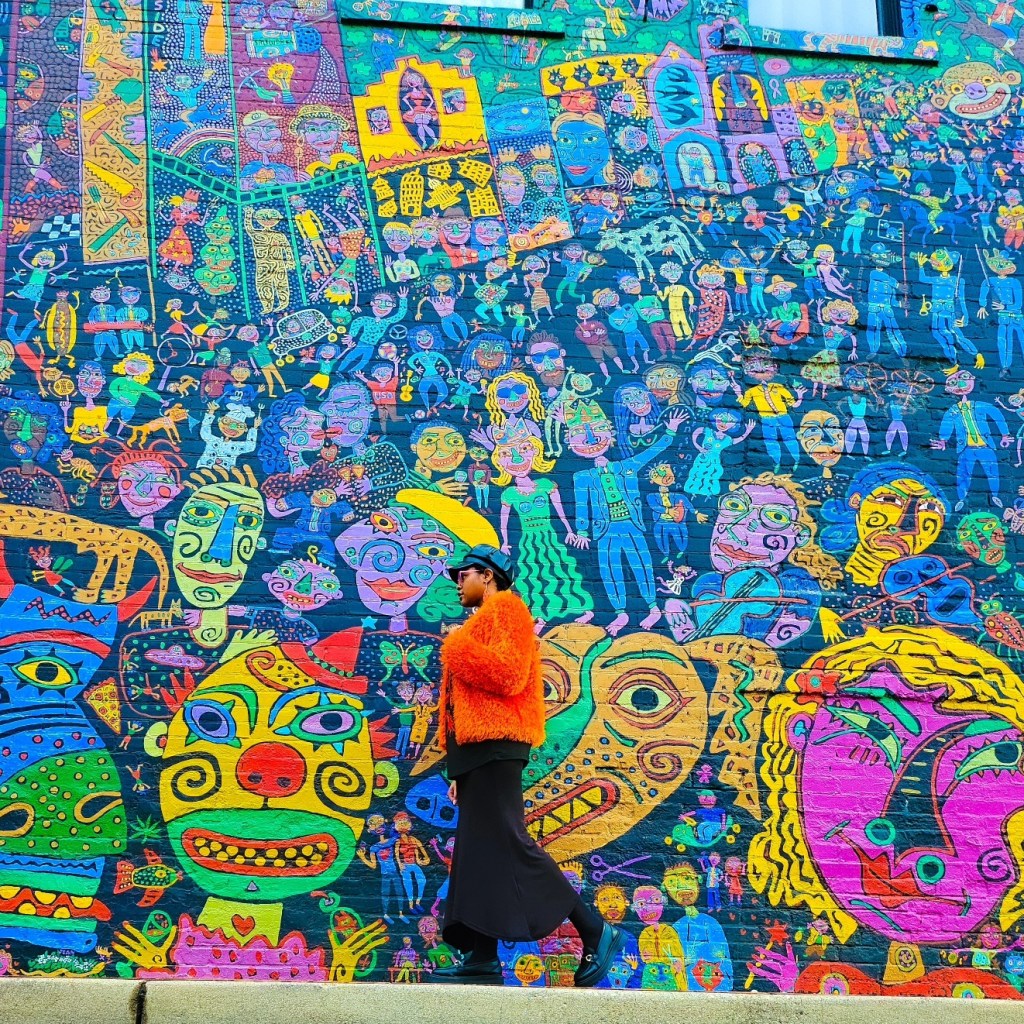
Gen Z this, Gen Z that. This generation is going through the next wave of criticism that happens every couple of decades. Criticism that questions who we are and why we are the way we are. So many questions and concerns, but not enough digging deeper into the things that shape us.
I made a post on Tik Tok about the current state of authenticity and originality on social media (check it out here: https://www.tiktok.com/t/ZThNgwAMX/). Algorithms, trends, and paid sponsorships tend to incentivize people into molding themselves into what makes the most sense. This isn’t a new concept, just more open to debate.
Throughout history, we have seen generations of people go through the state of forcing their authenticity away in order to feel safe and secure in systems that dominated their livelihoods.
Before social media, they had this moral compass directed by different social groups that forced them to relinquish anything out of the required makeup. Not only were they indoctrinated but they were given ultimatums that made creativity seem like a threat to survival.
Now, we are in a rolling ball of chaos from years of exposure to heaps of information and awareness. Our brains want us to be as safe as possible, so we cherish the very aspects that we believe to be the safest. For many, their originality isn’t safe. Similar stories, different century.
I was reading this dissertation titled, Being Real: Gen-Z Self-Presentation, and Authenticity on Social Media, that goes into Gen Z and authenticity. The author, Maya Elizabeth Neufeld-Wall, writes:
“Accepting external influence involves the extent to which an individual might accept the influence of others and the belief that it is necessary to conform to these external expectations.” (Neufeld-Wall, 2023)
As we ascend further into the digital age, people are wanting to have two personas, the authentic self and the digital self; most wanting to live in their digital personas more than the other. You can see this with those who want to become famous streamers. Many of them are spending more time being marketable than being real.
Where we find originality is within our own perceptions of what we experience. What we read, watch, listen to, and feel. Our own perceptions, without the influence of others, is where the true grit of our selves lie.
When we create, the intention lies in the expense of the creator’s perception of what is needed to become real. The question I have is are many trying to make their authenticity become more real by tricking themselves into thinking profitability equates to originality?
When it comes to creating art or content, we have to distinguish between the two. Both are not wrong, but both have different outcomes.
Are you a brand or are you just yourself? A brand requires you to make yourself a piece of a business (unless you are making your name the center, then you ARE the business.) You are no longer creating for your own entertainment. You are creating to make profit and sell something to another. When you create just to create, the pressure to sell is not a necessary part of your process.
This distinction is important.
Coming from experience, I have found myself on both ends of the spectrum. There is a load of stress that comes with creating just to appease a business model. What makes me happier as an artist is creating just to create and see where it goes.
What I’ve learned is its best to spend more time creating just to create before thinking about turning your passion into a monetary juggernaut. People gravitate more towards art they see has more value to you than it does to them. This is why getting comfortable with your style is key.
In conclusion, originality isn’t dead, it just needs direction. People are more afraid of failing and looking stupid than they are of never knowing where their authenticity lies. It is our duty as individuals to question who we are and what we consume & create. What intentions are behind it and why is it important (or not important) to us?
It’s okay to look like a fool or look goofy.
That’s what makes us better creators.

 What's The Daelio
Leave a comment