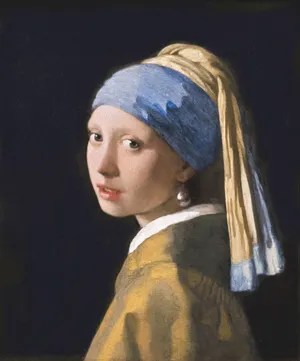
(“Girl with a Pearl earring” – Joannes Vermeer, 1665)
Art is subjective, this is true. But for some reason it feels like art’s value is set by standards that feel exclusionary. It’s understandable that significant art movements, artist popularity, and rarity make certain art pieces as valuable as diamond mines. But what about the art that isn’t in any of those categories?
As an artist, it’s interesting to me to see that one single art piece can fund more than the average person’s salary. These art pieces have even become a collector’s dream investment due to their appreciation value.
For example, one of the world’s most famous art auctions is Sotheby’s Art Auction. This past November, they sold one of the highest valued paintings ever sold at their auction house, Gustav Klimt’s “Portrait of Elisabeth Lederer” for $236.4 million. Somewhere that painting is going in a home or maybe at a museum of fine arts. Either way, that painting could fund many social issues we face now, or better, art programs for kids in poverty.
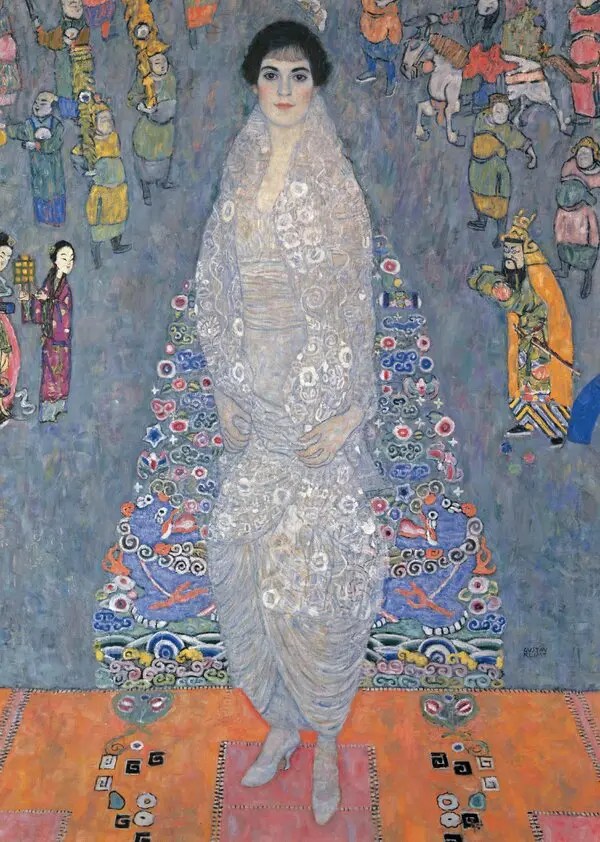
(“Portrait of Elisabeth Lederer” – Gustav Klimt, 1914-1916)
Vincent van Gogh, Francis Bacon, Rembrandt van Rijn, Claude Monet, etc., the list goes on and on. Many of these artists are remembered for their talent and the rare gems they have left behind. The value of their works so high that even billionaires struggle to get their hands on originals.
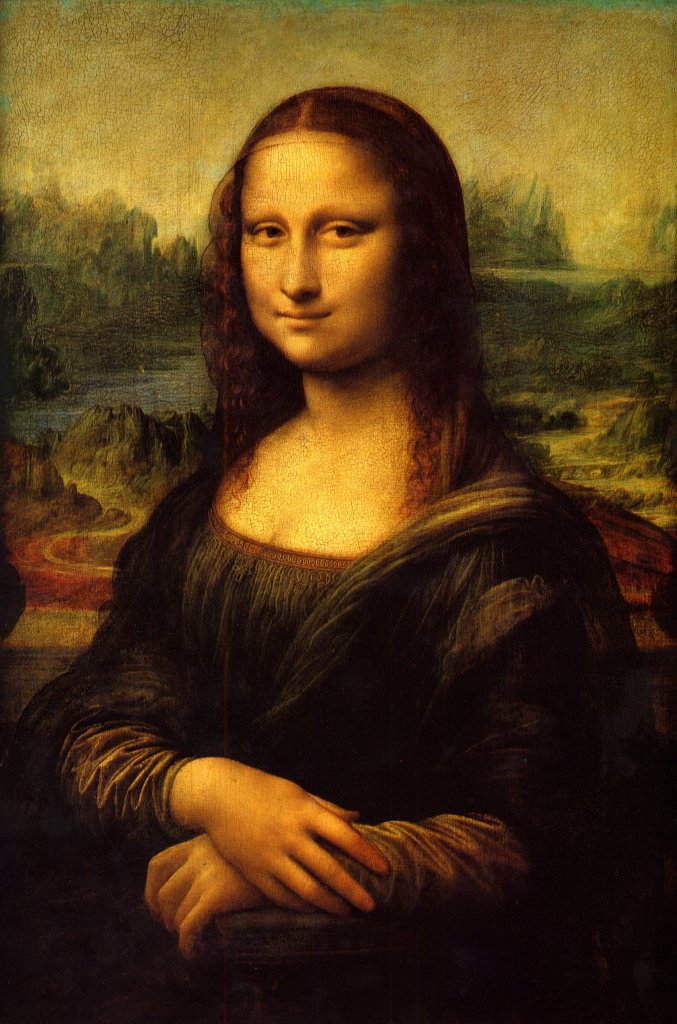
(“Mona Lisa” – Leonardo da Vinci, 1503)
We have so much access to art, tools, and education now more than ever, but why does it feel like there is still a divide in the art world?
I was reading an article titled, “Beyond the Status Quo: Bridging the Artistic Divide” where the author, Oratile Mosimanekgosi, spoke about how art exhibitions work better when they team up with emerging artists and more established artists. This allows for there to be a bridge connecting emerging artists, more experienced artists, and the audience who may want to see more than those who’ve already built their name.
It’s interesting how art lovers and visitors in general feel different in the presence of high valued art and art from lesser-known artists. It’s as if the respect and curiosity lower when the artists are making their debut, or when they aren’t connected to established streams, like nepotism.
This same approach can be said for the art industry as a whole. Bridging the gap between history and emerging modern-day art could lower this elite exclusion that seems to override what we value and what we consume. An artist’s name doesn’t have to be well known by the rich and famous to be worthy of an audience. An art piece doesn’t have to sit in a storage for years and years for a buyer to see it is worthy of investing in.
We are making great strides at closing the gap between established art and emerging art, but we are still viewing art as solely a business. This direction is causing a lot of emerging artist, like myself, to view their art as only marketable and not a creative vision that could be marketable.
Not to mention the sad truth that diversity in the art world is just now becoming a normal occurrence and celebrated more heavily. Black & Indigenous artists having to work harder to see their art valued as high as our counterparts. Most of the time, it is our own communities making space for our art to be seen.
I wonder if the value of human-made art will rise across the board considering the trending curiosity of generated A.I. art?
Will that finally bridge the gap?
Did you find this post enjoyable? Leave a comment and let me know what you think!
 What's The Daelio
Leave a comment